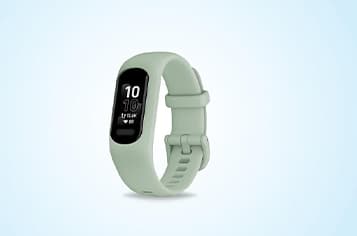

A short list beats a dashboard
Most trackers now estimate dozens of metrics. The ones that change decisions are few: how much you move, how regularly you sleep, and whether resting heart rate or HRV is trending for weeks in a direction that matches how you feel.
Calorie counts from the wrist are rough. Use them to notice patterns, not to micromanage every snack.
Useful versus noisy
- Useful: steps or active minutes, weekly workout frequency, bedtime and wake time.
- Situational: heart-rate zones during structured training if you already enjoy cardio.
- Easy to ignore: social badges, hourly “move” nags, and proprietary stress scores with no context.
Accuracy has limits
Optical sensors struggle with very dark tattoos, loose straps, high-intensity intervals, and cold wrists. If a reading disagrees with how you feel, trust symptoms first. Athletes who need precise heart-rate data often still use a chest strap for key sessions.