
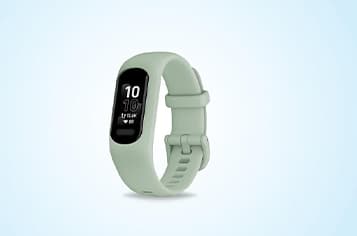
Start with questions, not gadgets
Wearables are most useful when they answer a specific question: Am I sleeping enough? Do I sit too long between meetings? Is my resting heart rate drifting upward over weeks? Buying a device first and hoping insight appears later usually creates notification fatigue instead of better habits.
FitLifeMantra readers often already walk, cook, and try to sleep on a schedule. A tracker should sit beside those habits, not replace them. Think of it as a notebook that writes itself, then review it once or twice a week rather than every hour.
Three signals that actually change behavior
Daily steps or active minutes make sedentary stretches visible. Heart-rate trends, especially resting values over several mornings, can flag stress or illness before you feel dramatically unwell. Sleep duration and consistency matter more than chasing a perfect “score.”
- Wear the device for two full weeks before judging it.
- Turn off badges and social leaderboards if they make you anxious.
- Pair the data with one action, such as a 10-minute walk after lunch.
When to talk to a clinician
Consumer wearables are not diagnostic tools. Irregular rhythm alerts, sudden jumps in resting heart rate, or repeated very low overnight readings deserve a conversation with a qualified professional, especially if you have chest pain, dizziness, or a known heart condition. Use the graphs as a conversation starter, not a diagnosis.